|
New Zealand is full of
constantly changing rivers.
Added to their pleasing beauty rivers
provide life to the land and energy for people. They
may
appear robust but we learn how they can be damaged, and even
destroyed by human intervention.
Transportation
In the old days the large slow flowing rivers provided access to rich inland
pastures. and their supporting riverside communities.
Safety
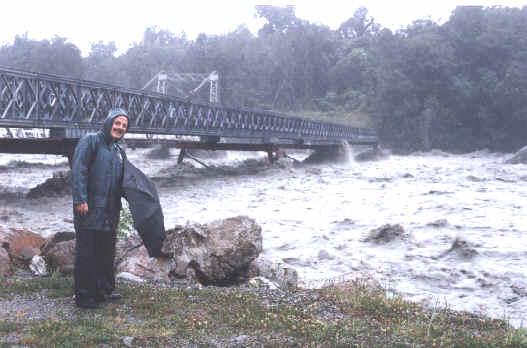
Deadly events and disasters from the past teach us how rivers can take lives
with their strong unseen currents and cold.
We can practise the techniques to
cross them safely.
Geography
We explore the geography that
creates rivers, the forces that drive them, their uses to human settlers.
Erosion and deposition
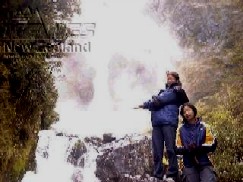
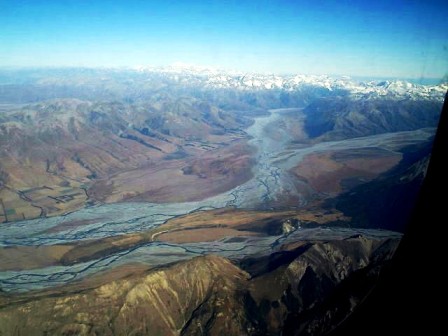
We we see rivers cutting giant gorges and
mountain valleys, then watch them deposit the bed-load materials onto the
growing agricultural plains forming meanders and braids.
Features of interest
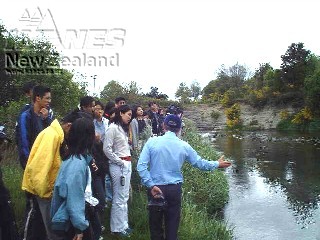
We can build knowledge about glaciers, springs, rills, confluences, aquifers, land
absorption etc. Some itineraries take us the full length of a major river.
Management
Societies need to fairly distribute the
benefits
of rivers to the various
sectional interests. We can learn of the
importance of maintaining the health of rivers, how to keep communities safe
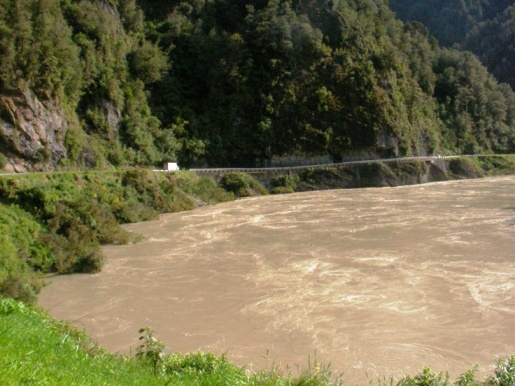
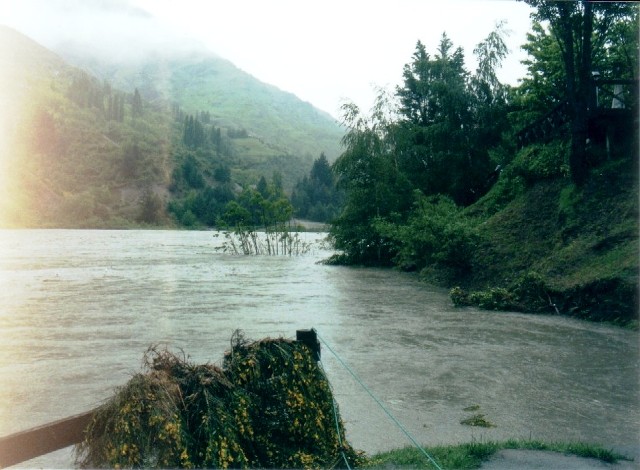
from their occasional angry rages (flooding) and how we can use them to
generate power and irrigate the lands for food.
Systems we discuss include:- canals, embankments, dredging
constricting, aligning and more.
River animals
and plants
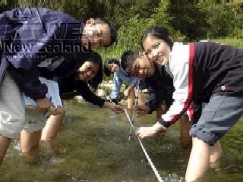
Biology students see various natural life forms that depend on healthy
rivers. We learn of the importance of river plants and animals and examine
ways these are sustainably managed.
Gold
Rivers accumulate gold from
sparse gold lands. We can learn how this process works and explore the
remnants of past gold rush towns.
Recreation
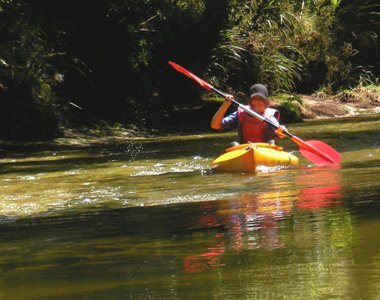
Rafting,
Canoeing
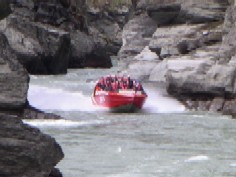
Jet Boating,
Fishing, Swimming are all popular activities that use rivers.
Interested groups can participate and study the businesses involved.
Irrigation
Agricultural industries rival for the essential water rivers provide. We
view the various ways water is used and distributed on to the land. In
addition we explore the methods for management of the resource.
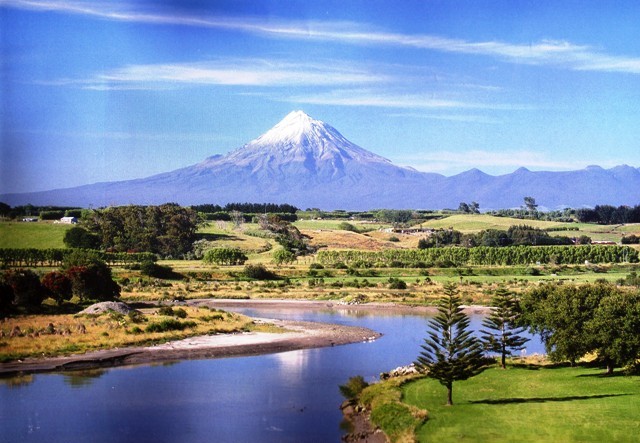
North Island Rivers
Hydro
Electric Power
Aquifers
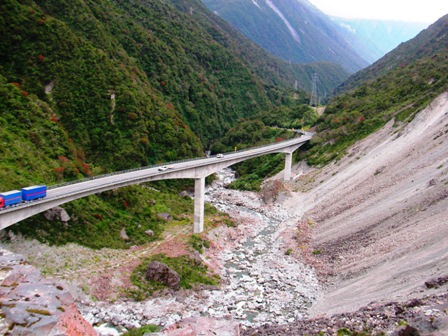
Gorges
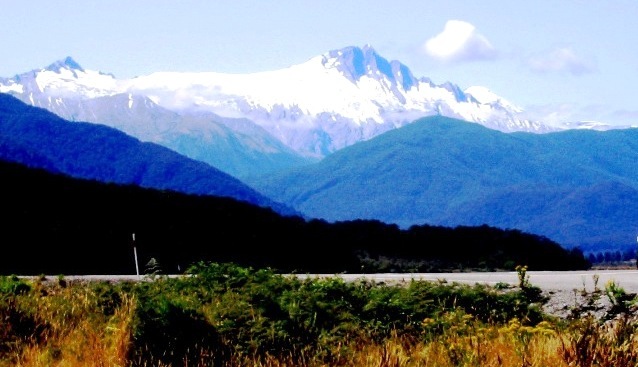
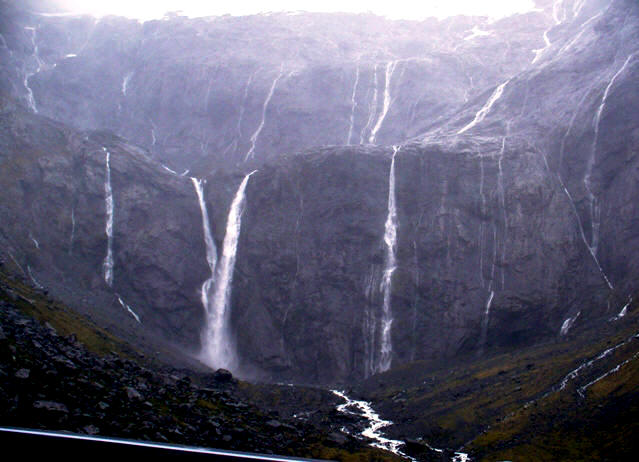
Rivers in the world's wettest
area
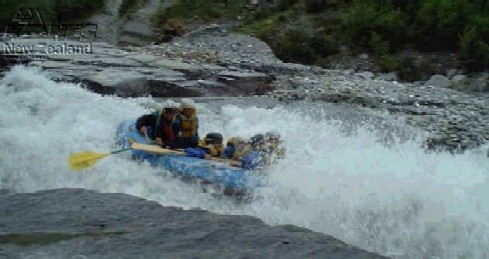
Rapids
See Also:-
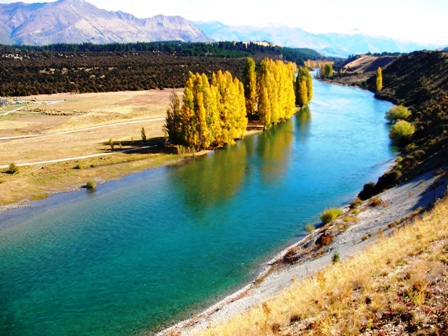
Clutha River
(610
cumecs - 338 km 300m elevation)
Link to Waitaki River *
(356
cumecs)
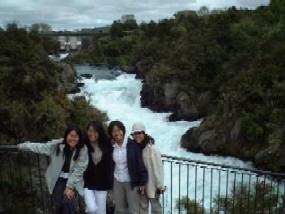
Waikato River
(350 cumecs
425km 356m elevation)
Link to Kawarau River
*
(216 cumecs
Link to images * |
 New Zealand Student Tours