 New
Zealand Learning Adventures
New
Zealand Learning AdventuresCoasts > English Culture & Volcano Zone
Coasts Studies near Christchurch
|
|
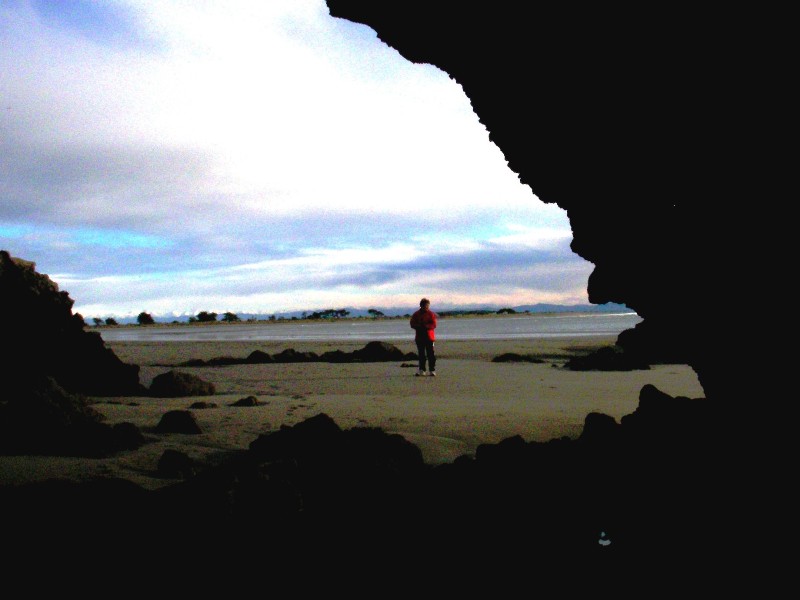
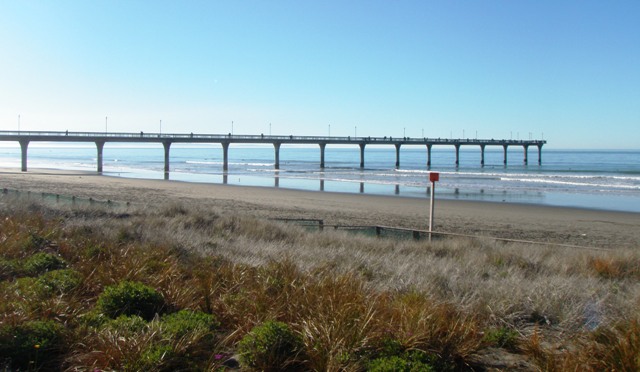
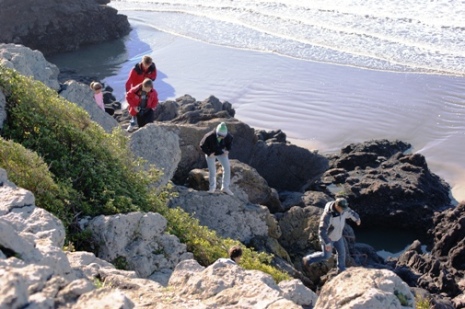
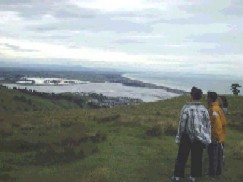
We explore; excellent examples of dunes, spits, stacks, estuaries and wave caves. These help us understand formations dangers and uses of coasts throughout the world. We learn about the features that new settlers required of their coastal areas when choosing a site for their first settlements.
Coastal conservation management
Guest speakers are available. A visit to the museum gives us extended knowledge while displaying problems and management issues relating to coastal land losses and maintenance programs set in place by the local authorities.
Long shore coastal drifting
We learn and witness the consequences of man-made harbours and dams that affect this natural process. These involve, beaches, estuaries, dunes and spits.
High energy wave action on the coast
How coasts help settlements See also:- |
take you there and
tailor your experiences
to meet your
interests
Top