|
New Zealand
contains numerous microclimates
usually
making for varied and memorable experiences for guests.
Clothing lists and
methods to avoid discomfort are issued to guests before they arrive.
Expenditure for clothing is minimal as guests' wardrobes normally include
the required items.
Patterns
Every 2 weeks, on average, a cold front sweeps from the
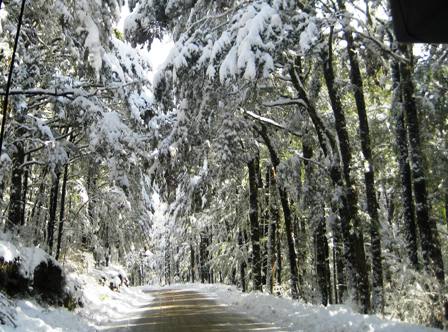
Antarctic engulfing the land with cold winds and rain (occasionally snow in
winter). These short bursts of energy are preceded by strengthening
warm dry winds on the east of the Alps and deluges to their west.
The cold fronts are then generally followed by extended periods of
calm sunshine.
Sumer
(December - March) day temperatures usually range between 15oC and 28oC
Winter (May
- August) day temperatures range between 5oC and 15oC
Studies:
NZ weather involves many microclimates
generally related to alpine and air flow influences.
Interested groups
follow and interpret weather maps throughout the tour while experiencing
their predictions. We can follow the causes of various items:- clouds , wind, snow, rain,
barometric pressures,
humidity, cyclonic and
anti cyclonic patterns, seasonal variations and
temperatures are all
included.
Seasonal influences have large effects on vegetation wildlife
and human activities.
Microclimates
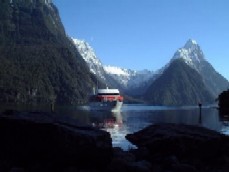
Vastly different microclimates
are created mainly by the Alpine divide and prevailing airflows. :-
Alpine snows, tundra deserts, world's wettest rainforests,
and moderating coasts,
With these we begin to
understand the effects on land, flora &
fauna.
Mountains
Regular falls of snow, fog and rain with mainly very cold temperatures make
these areas habitable only for a very select group of life forms. Erosion
rates are high here and seasons impact violently.
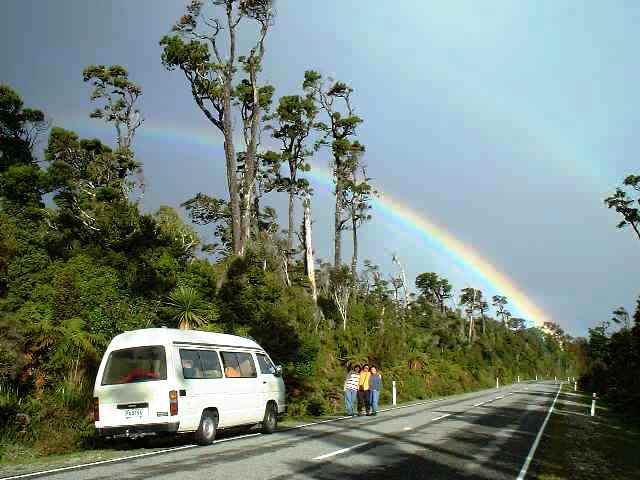
World's wettest
See unique
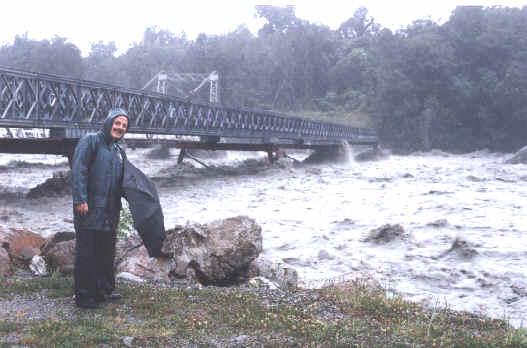
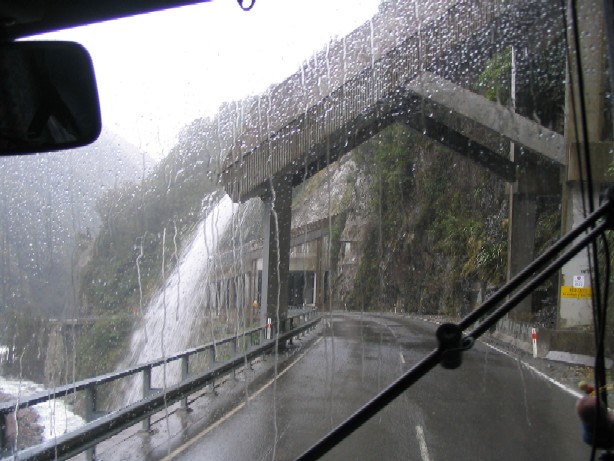
rainforests numerous flood prone rivers in the world's wettest microclimate.
Here 8 metres of rain with 80 metres of snow on the alps is common.
This is all created by the collision of the Roaring Forties and the towering
Southern Alps.
Coasts
We see how aspects and locations affect the weather at different places.
We experience moderated temperatures and periods of strong salt
laded winds that affect the beaches and various coastal erosion and
deposition processes.
Deserts
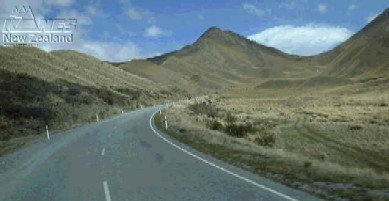
Here we can experience both extremes of heat and cold, explore the poor
soils and the reasons for low rainfall rates that contribute to desert
formation.
more>
Click here to
See
today's
weather
with current map & Satellite photos.
more>
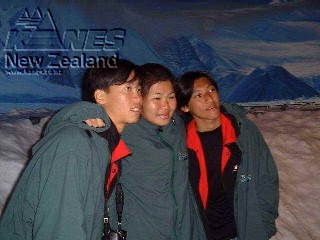
World's coldest
Blizzards
are recreated at the International Antarctic Centre just for the experience
Gain also a unique insight into the natural
sciences of polar climates
more>
|
 New
Zealand Learning Adventures
(Home)
New
Zealand Learning Adventures
(Home)